A beautiful yard enhances your home’s curb appeal and creates an inviting outdoor space for relaxation and entertainment. However, maintaining an attractive property throughout the year requires planning, regular maintenance, and an understanding of seasonal changes.
Effective landscaping involves more than mowing the lawn or planting flowers. Healthy soil, proper watering, suitable plants, and consistent care all contribute to an appealing outdoor environment.
Whether you have a large backyard or a smaller residential property, the following eight tips can help you maintain a beautiful yard throughout every season.
1. Choose Plants That Thrive in Your Climate
Selecting plants suited to your local climate is essential for maintaining a healthy yard. Different plants require specific amounts of sunlight, water, and nutrients to grow successfully.
Native plants are often excellent choices because they are adapted to regional weather conditions. Many require less supplemental watering and maintenance once established.
Consider combining flowering perennials, evergreen shrubs, and ornamental grasses to maintain visual interest throughout the year. Evergreen plants provide greenery during colder months, while seasonal flowers introduce changing colors.
Before planting, evaluate sunlight exposure, soil conditions, and available space. Choosing plants that match your property’s environment can prevent unnecessary maintenance challenges.
2. Plan for Seasonal Color
A beautiful yard should offer visual interest throughout the year rather than during just one growing season. Selecting plants with different blooming periods helps maintain color as seasons change.
Spring flowers can introduce vibrant colors after winter, while summer-blooming varieties keep garden beds attractive during warmer months. Fall flowers and colorful foliage can provide additional seasonal appeal.
During winter, evergreen shrubs, ornamental grasses, and decorative branches help maintain structure.
Consider creating a planting calendar to identify when different varieties bloom. This approach allows you to coordinate seasonal changes and maintain a balanced appearance without constantly replacing plants.
3. Follow Proper Lawn Care Practices
A healthy lawn provides an attractive foundation for your outdoor space. Regular mowing, watering, and maintenance encourage strong grass growth and help prevent common problems.
Avoid cutting grass too short, as this can weaken roots and increase moisture loss. Appropriate mowing height depends on the type of grass and growing conditions.
Water deeply when necessary rather than applying small amounts frequently. This encourages deeper root development in established lawns.
Keep mower blades sharp to prevent tearing grass leaves, which can create an uneven appearance.
Regularly inspect your lawn for weeds, bare patches, and discoloration. Addressing these concerns early helps maintain a consistent, healthy appearance.
4. Maintain Healthy Soil and Garden Beds
Healthy soil supports strong plant growth by providing essential nutrients, moisture, and proper drainage. Poor soil conditions can affect plant development even when watering and sunlight are adequate.
Consider testing your soil to determine its nutrient levels and pH. These results can guide decisions about fertilizer and soil amendments.
Adding finished compost can improve soil structure and support beneficial microorganisms. Organic mulch can also help retain moisture, regulate soil temperature, and reduce weed growth.
Avoid applying excessive fertilizer, as unnecessary nutrients may damage plants and contribute to environmental problems.
Keep garden beds organized by removing weeds, clearing debris, and maintaining appropriate spacing between plants.
5. Use Mulch to Enhance Your Yard
Mulch provides practical benefits while improving the appearance of flower beds and landscaped areas. It helps conserve soil moisture, moderate temperature changes, and suppress unwanted weeds.
Organic materials such as shredded bark, wood chips, and pine needles are popular options. As these materials decompose, they gradually contribute organic matter to the soil.
Choose mulch colors and textures that complement your home’s exterior and existing plants.
Apply an appropriate layer around shrubs, trees, and garden beds, but avoid piling mulch directly against stems or trunks.
Inspect mulch periodically and replenish it when needed. Maintaining consistent coverage creates a neat, finished appearance throughout your outdoor space.
6. Prune Trees and Shrubs Regularly
Proper pruning helps trees and shrubs maintain their shape while encouraging healthy growth. Removing dead, damaged, or diseased branches can also improve plant health.
Different plants require pruning at different times. Some flowering shrubs develop buds on older growth, so trimming them during the wrong season may reduce blooming.
Use clean, sharp tools to make precise cuts and avoid removing excessive foliage.
Regularly inspect plants for overcrowded branches or growth that interferes with walkways and outdoor structures.
For large trees or potentially hazardous branches, consult a qualified professional.
7. Incorporate Attractive Hardscape Features
Hardscape features can enhance your yard’s appearance even when seasonal plants are dormant. Walkways, patios, decorative stones, and garden borders provide structure and functionality.
Consider materials that complement your home’s architectural style and withstand local weather conditions.
Stone pathways can connect different outdoor areas, while decorative borders create clear divisions between garden beds and lawns.
Proper drainage is essential when installing hardscape elements to prevent standing water and potential property damage.
Thoughtful landscaping design combines natural elements with functional outdoor features, creating an organized and welcoming environment.
8. Create a Seasonal Maintenance Schedule
Consistent maintenance helps preserve your yard’s appearance throughout changing weather conditions. Establishing a seasonal checklist makes recurring responsibilities easier to manage.
During spring, remove debris, prepare planting beds, and address lawn damage.
Summer maintenance should focus on watering, mowing, weed control, and monitoring plants for heat stress.
In fall, clear excessive leaves, complete appropriate pruning, and prepare sensitive plants for colder temperatures.
Winter maintenance may include protecting vulnerable plants, inspecting drainage systems, and planning future improvements. Adjust your routine according to local weather patterns and your property’s specific needs.
Maintaining an attractive yard throughout the year requires thoughtful planning and consistent attention. Choosing suitable plants, improving soil health, following proper lawn care practices, and preparing for seasonal changes can make outdoor maintenance more manageable.
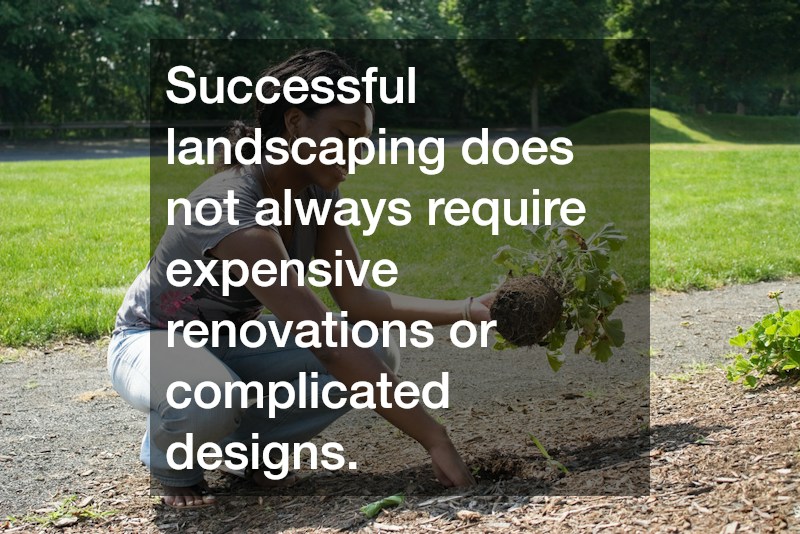
Successful landscaping does not always require expensive renovations or complicated designs. Simple improvements and regular maintenance can significantly enhance your property’s appearance.
By following these eight practical tips, you can create a healthy, inviting outdoor space that remains beautiful and enjoyable throughout every season.